Case Study: Implementing the 'Corporate Trust' Style Without Clutter
Implement Corporate Trust Style: A Clutter-Free Guide

In this Case Study: Implementing the 'Corporate Trust' Style Without Clutter, you'll discover how a professional appearance builds authority without visual noise. Implementing this specific style requires a perfect balance between clean lines and a reliable color scheme, where every element serves a specific purpose for the end-user. By consistently removing unnecessary details, your brand's core message remains strong in a business market that demands transparency and calm.
The Case Study: Implementing the 'Corporate Trust' Style Without Clutter forms the fundamental basis for a sustainable brand identity.
Do you want to employ the best strategy? Then focus on consistency and minimalism to prevent confusion among your target audience.
- Focus on visual tranquility and business authority.
- Immediately eliminate unnecessary design elements for greater impact.
- Ensure recognition through a uniform presentation.

What Exactly is the Corporate Trust Style?
Today's business world demands a visual language that immediately conveys authority and trustworthiness without becoming dull. When we talk about the Case Study: Implementing the 'Corporate Trust' Style Without Clutter, we refer to a specific design philosophy centered entirely on stability, transparency, and an impeccable professional appearance. It's an aesthetic often adopted by financial institutions, law firms, and consulting agencies that want to instantly reassure their clients. In a digital environment where distractions constantly lurk, this style acts as a beacon of calm and expertise. Every graphic element serves a specific purpose, and superfluous decoration is resolutely rejected to avoid diluting or weakening the core message.
At its core, this style is about earning the deepest trust of the visitor through visual consistency. The foundation of this approach lies in using a clean grid, a limited yet powerful color palette, and typography that prioritizes readability above all else. We often see deep blue hues, anthracite, and cool gray combined with ample functional white space. The goal of implementing this style is to create an environment where the user feels secure sharing sensitive information or making major strategic decisions. It's not just about how it looks, but primarily about how the interface feels: solid, predictable, and highly efficient in conveying complex information to a critical audience that doesn't want to waste time on unnecessary embellishments.
The Psychology Behind Business Trust

Why do so many international market leaders opt for this specific visual approach? Psychology teaches us that people unconsciously associate patterns of order and structure with competence and reliability. Within the context of this business style, a clean design significantly reduces cognitive load for the end-user. When a website appears messy or inconsistent, visitors directly project that chaos onto the company's internal processes and service quality. By choosing a minimalist yet powerful presentation, you immediately eliminate any form of doubt. It's a strategic decision to fully focus on content quality and proven results, rather than trying to capture attention with fleeting trends that can severely damage long-term credibility.
In practice, this style often includes the following essential characteristics: the use of modern sans-serif fonts for an accessible appearance, high-quality photography of real people and office environments instead of generic stock photos, and consistent iconography that aids navigation without textual overload. Additionally, a very clear hierarchy in information delivery is crucial for the design's success.
Successfully applying this methodology requires a keen eye for detail; the slightest alignment error can break the illusion of perfection. That's why affordable search engine optimization is essential to ensure that this clean design is actually found by the right target audience. It's about the synergy between form and findability. Do you want to know more about the theoretical frameworks of design? Then visit the website of the Dutch Institute for Marketing for deeper insights into brand positioning. Ultimately, this style is an investment in your reputation. By removing all noise, only the essence remains: a reliable partner who knows exactly what they're doing and communicates it clearly to the outside world.
The Psychology Behind Professional Trust
Trust is the invisible currency of the digital economy. When a visitor lands on your website, an unconscious process occurs within milliseconds, weighing your brand's credibility. This psychological mechanism is deeply rooted in our need for security and predictability. In the context of web design, this means that every visual element, from white space to typography, sends a signal about your professionalism. The Case Study: Implementing the 'Corporate Trust' Style Without Clutter demonstrates that authority doesn't stem from excess, but from the precision of the presentation. A cluttered interface immediately raises suspicion, while a structured design radiates calm and expertise.
Psychologically, we associate order with control and chaos with unreliability. Therefore, a clean execution is essential for business success.
Visual Hierarchy and Cognitive Load
A crucial aspect of the Case Study: Implementing the 'Corporate Trust' Style Without Clutter is minimizing the cognitive load for the user. When a website offers too many stimuli simultaneously, the brain becomes overloaded, leading to an increased bounce rate. By utilizing a clear visual hierarchy, you effortlessly guide the visitor through the information. This creates a sense of ease and control, which is essential for building a long-term relationship with your target audience. It's about ensuring the visitor feels understood without having to search for the core message.
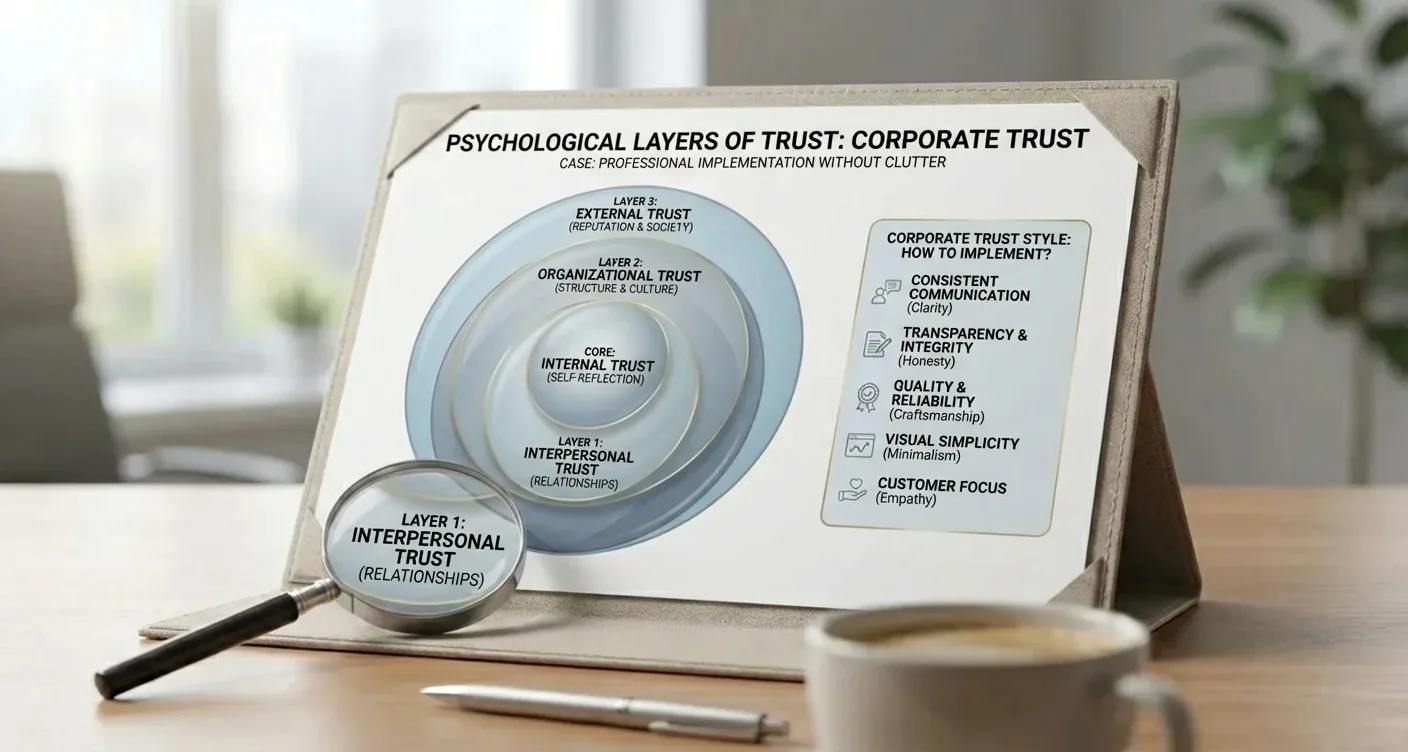
To ensure this calm and structure, it's crucial that your site's technical foundation functions optimally. A slow website immediately undermines the psychological trust you're trying to build with your design. You can read more about speeding up your platform on our page about WordPress speed optimization. A fast loading time combined with the Case Study: Implementing the 'Corporate Trust' Style Without Clutter method creates an unbeatable first impression.
The Role of Consistency in Brand Experience
Consistency is the key to recognition and authority. When colors, fonts, and tone of voice match on every page, it confirms your company's stability. In practice, we see that companies deviating from their core style often confuse their customers. The Case Study: Implementing the 'Corporate Trust' Style Without Clutter approach focuses on eliminating superfluous elements that obscure the message. It's about the essence of your service, presented in a guise that feels both modern and timeless. Implementing the 'Corporate Trust' Style Without Clutter for Business Growth requires a keen eye for detail and constant monitoring of visual standards.
"Simplicity is the ultimate sophistication, especially when it comes to earning the trust of a critical business visitor."
Implementing these strategies requires a thoughtful approach to your online presence. Here are some key points to consider:
- Use a limited color palette that radiates authority, such as deep blue or anthracite.
- Ensure ample white space to keep text readable and the interface breathable.
- Opt for high-quality typography that promotes readability across all devices.
- Avoid unnecessary animations that distract from conversion goals.
By strictly applying these elements, you will achieve the Case Study: Implementing the 'Corporate Trust' Style Without Clutter results needed for a strong market position. It is also advisable to consult scientific research on consumer trust, such as that found on the NIMA website, to further substantiate your strategy. Ultimately, the psychology behind trust is an interplay between aesthetics, speed, and content relevance, with the Case Study: Implementing the 'Corporate Trust' Style Without Clutter strategy serving as the foundation for your digital success.
Case Study: Implementing the 'Corporate Trust' Style Without Clutter
When we discuss the Case Study: Implementing the 'Corporate Trust' Style Without Clutter, we refer to a specific aesthetic that radiates authority and trustworthiness without overwhelming the user with unnecessary visual noise. In the business world, a first impression is crucial, and a website that breathes calm and professionalism forms the foundation of a strong digital identity. This involves not only choosing the right colors but primarily omitting elements that obscure the core message. By adopting a minimalist approach, you ensure that visitors immediately understand your area of expertise, which is essential for the Case Study: Implementing the 'Corporate Trust' Style Without Clutter.
A clean layout forces focus onto the content, significantly increasing the brand's credibility in the eyes of the business client.
To successfully implement this style, one must examine the website's technical foundations. A messy backend often results in a slow frontend, which directly undermines the professional appearance. Therefore, it is advisable to look into methods for a faster WordPress website. When the technical aspects seamlessly align with the visual design, a synergy emerges that elevates the Case Study: Implementing the 'Corporate Trust' Style Without Clutter to a higher level. Avoiding superfluous plugins and heavy scripts is an absolute prerequisite for success here.
Visual Hierarchy and White Space
Within the Case Study: Implementing the 'Corporate Trust' Style Without Clutter Strategy for Businesses, white space plays a starring role. It's the 'breathing room' between different sections that prevents a page from feeling cramped. In a business context, white space equates to luxury and clarity. By strategically using typography and contrasting elements, you guide the reader's eyes to the most important call-to-action buttons. This is a fundamental component of the business aesthetic without visual clutter that we aim for. The goal is to create an environment where the user feels secure and informed, without being distracted by flashy animations or loud pop-ups.
Consistency in iconography and imagery reinforces this sense of order and discipline throughout the entire design concept.
Practical Steps for Implementation
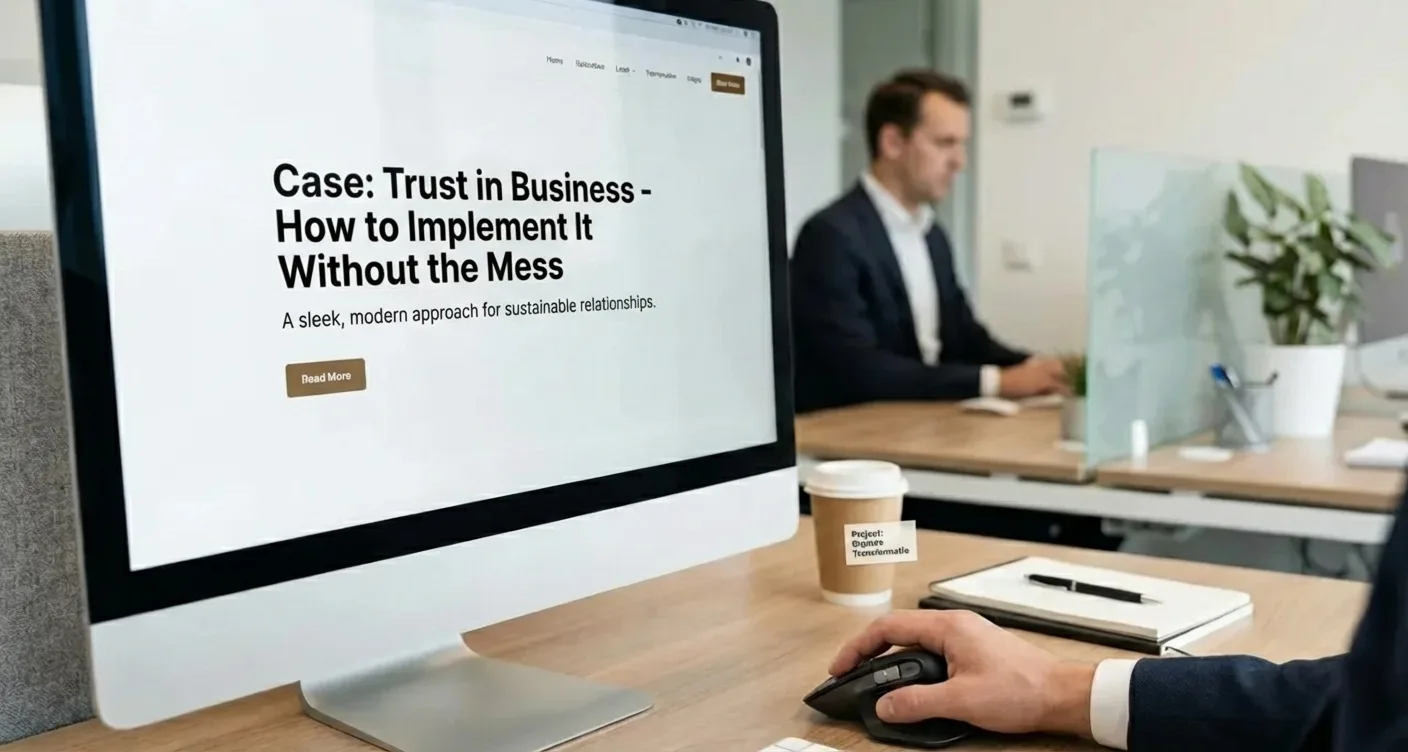
Implementing the Case Study: Implementing the 'Corporate Trust' Style Without Clutter requires a disciplined approach where every pixel is accounted for. Start by decluttering your current content and removing everything that doesn't directly contribute to building trust with your customer. Additionally, follow these steps to maintain structure:
- Use a limited color palette of a maximum of three main colors that exude authority, such as deep blue or anthracite.
- Opt for high-quality, authentic photography instead of generic stock images that could weaken the Case Study: Implementing the 'Corporate Trust' Style Without Clutter implementation.
- Ensure a logical navigation structure that leads the visitor to the desired information in a maximum of three clicks.
- Optimize all graphic elements to keep loading times minimal, contributing to the overall user experience.
"Simplicity is the ultimate sophistication, especially when it comes to building digital trust with a demanding audience."
Finally, it's important to remember that the Case Study: Implementing the 'Corporate Trust' Style Without Clutter is a continuous process of refinement. According to the guidelines of Nielsen Norman Group, user-friendliness is inextricably linked to visual calm. A website that appears cluttered is often associated with unreliable business operations. By investing in a professional Case Study: 'Corporate Trust' style, you lay a foundation for long-term customer relationships and a strong market position in a competitive digital world.
Visual Elements That Enhance Authority
The visual aspect of a website functions as a company's digital business card. When a visitor lands on your page, they form an opinion about your brand's trustworthiness within milliseconds. A messy layout with bright, clashing colors and inconsistent fonts immediately signals unprofessionalism. To prevent this, many successful companies opt for a specific approach. In this context, we examine the Case Study: Implementing the 'Corporate Trust' Style Without Clutter. This style revolves around creating a serene yet powerful environment where the message takes center stage and visual noise is minimized. By focusing on white space and a limited color palette, you command authority without having to shout for attention.
Consistency is the keyword here for any modern business that wants to be taken seriously.
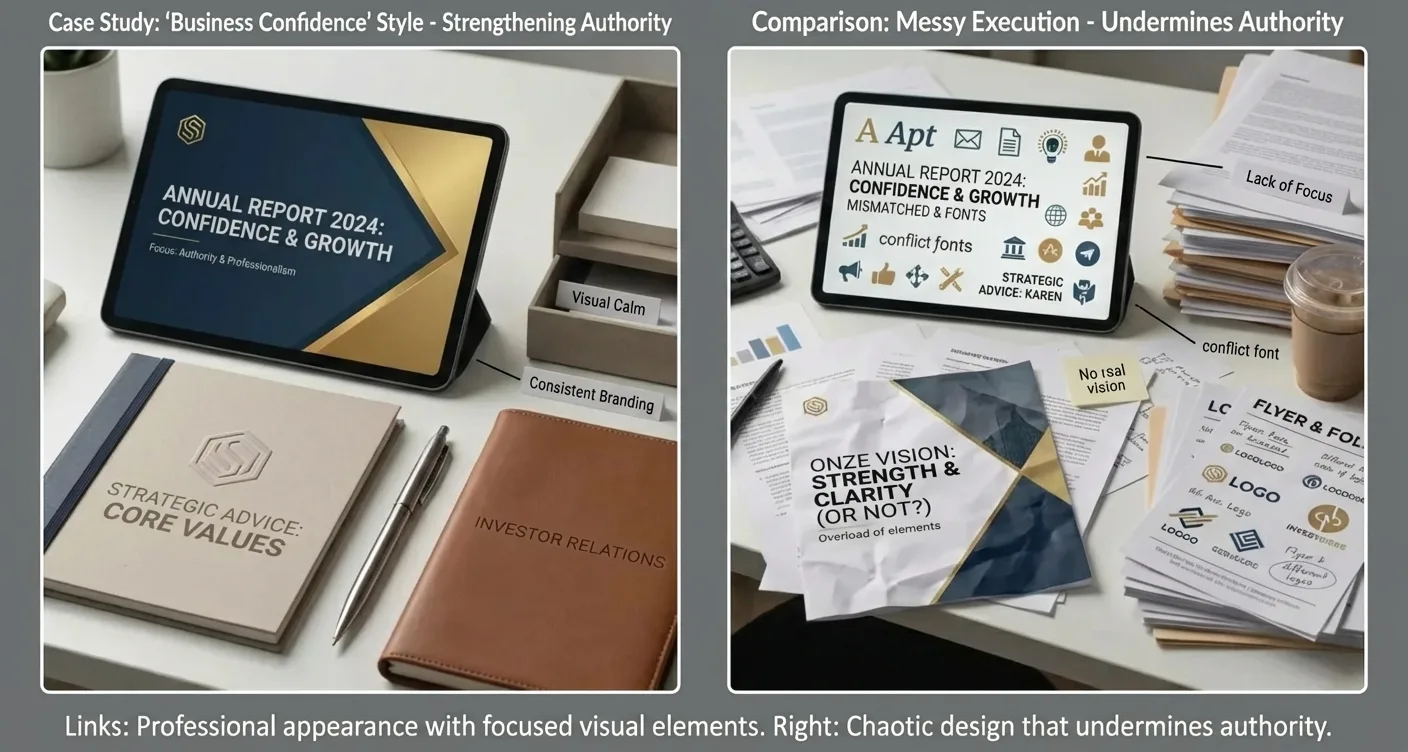
When implementing the Case Study: Implementing the 'Corporate Trust' Style Without Clutter, it's essential to understand that 'less' is often 'more'. This doesn't mean the website should be boring, but that every element serves a purpose. For example, use high-quality typography that is readable on all devices. A strong visual hierarchy helps the user process the most important information first. This aligns closely with the principles of responsive web design, where the structure is maintained regardless of screen size. When you apply the Case Study: Implementing the 'Corporate Trust' Style Without Clutter principles, you ensure that icons and graphics are subtle and support the text rather than distracting from it. The result is an interface that radiates calm and suggests expertise.
The Psychology of Color and Form
Colors play a crucial role in how authority is perceived by the end-user on the internet.
Within the Case Study: Implementing the 'Corporate Trust' Style Without Clutter methodology, deep blue, anthracite, or cool gray are often chosen. In color psychology, these colors are associated with stability, intelligence, and trustworthiness. However, the art lies in not letting these colors dominate. By establishing a strong foundation with a brand kit, you can define which accent colors are permitted to draw attention to important action buttons. Avoiding unnecessary shadows, exaggerated gradients, and busy background patterns is a core component of the Case Study: Implementing the 'Corporate Trust' Style Without Clutter for business websites. According to experts from Nielsen Norman Group, a clear visual structure significantly increases user-friendliness.
"True authority is not proven by decoration, but by the clarity of the presented information and the calm in the design."
To successfully integrate the Case Study: Implementing the 'Corporate Trust' Style Without Clutter, you can follow these steps:
- Limit color usage to a maximum of three main colors that exude professionalism.
- Use generous white space around text blocks to enhance readability.
- Opt for authentic photography instead of generic stock images that detract from credibility.
- Ensure consistent iconography that follows the same line across the entire website.
Ultimately, the Case Study: Implementing the 'Corporate Trust' Style Without Clutter implementation is about removing barriers between the user and the content, thereby creating an atmosphere of expertise.
The Importance of Consistency in Your Brand Identity
A strong visual identity forms the backbone of every successful company, as it radiates recognition and trustworthiness to the target audience. When a brand lacks consistency, it creates confusion among customers, directly impacting the company's credibility. Maintaining a uniform appearance across all channels is therefore not a luxury, but an absolute necessity for professional growth. In this context, we specifically examine the Case Study: Implementing the 'Corporate Trust' Style Without Clutter to understand how structure contributes to a solid brand image.
Consistency creates an unconscious sense of security for the visitor.
Implementing a clean visual line requires discipline and a clear framework, where colors, typography, and imagery are meticulously coordinated. Companies that invest in a design system find that their communication becomes more efficient and that the Case Study: Implementing the 'Corporate Trust' Style Without Clutter remains easier to manage as the organization grows. Without this foundation, a website quickly devolves into a disjointed collection of different styles and elements.
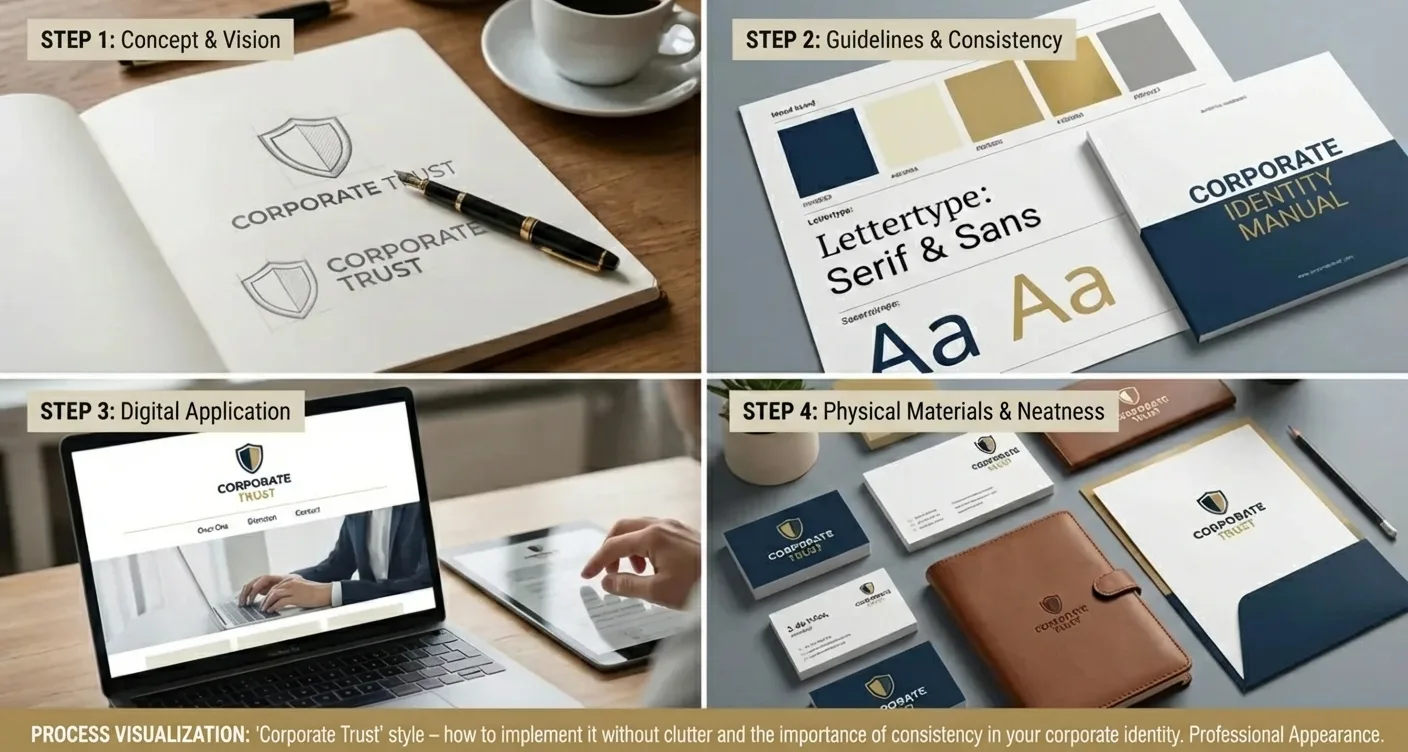
When we discuss the Case Study: Implementing the 'Corporate Trust' Style Without Clutter, we mean eliminating visual noise that blurs the message. It's about making conscious choices that strengthen the brand's authority. By adhering to a limited palette and a fixed hierarchy in headings, you create a calm environment where content is central and the user intuitively navigates through the information.
The Psychology Behind a Uniform Presentation
People associate repetition with stability; a brand that looks different every day unconsciously raises consumer suspicion. By applying the Case Study: Implementing the 'Corporate Trust' Style Without Clutter methodology, you demonstrate an eye for detail and that the quality of your services is as high as the quality of your presentation. This process of Implementing the 'Corporate Trust' Style Without Clutter for Business Growth helps build an emotional connection with the customer, who knows exactly what to expect from every interaction with your digital platforms.
"Consistency is the foundation upon which trust is built; without a unified voice, a brand loses its power in the market."
Maintaining this unity is a continuous process that requires attention.
To prevent a proliferation of styles, it is essential to establish clear guidelines for everyone working on the website or marketing communications. The Case Study: Implementing the 'Corporate Trust' Style Without Clutter requires a central source of truth, so there is no doubt about the use of logos or margins. For technical maintenance and monitoring these standards, maintenance can play a crucial role in keeping visual integrity up-to-date. According to the principles of Nielsen Norman Group, a standardized approach helps reduce cognitive load for the end-user.
Practical Steps for a Clean Brand Identity
- Establish a style guide with fixed color codes (HEX/RGB) and fonts.
- Use reusable components for buttons and forms.
- Regularly check that new content adheres to the Case Study: Implementing the 'Corporate Trust' Style Without Clutter guidelines.
- Remove outdated images or elements that no longer fit the current identity.
Ultimately, a disciplined approach to the Case Study: Implementing the 'Corporate Trust' Style Without Clutter leads to a more professional appearance that leaves the competition behind.
Common Mistakes When Creating a Business Look
 When designing a professional website, many entrepreneurs fall into the trap of excess. They often believe that a business-like appearance is synonymous with adding as much information, certificates, and text blocks as possible to claim authority. However, the opposite is true; a cluttered interface immediately harms visitor trust. The Case Study: Implementing the 'Corporate Trust' Style Without Clutter demonstrates that calm and hierarchy are essential for a trustworthy image. When a page is too busy, the user doesn't know where to look, leading to a higher bounce rate and a loss of market credibility.
A lack of white space and a disjointed color palette are the biggest culprits in destroying a clean, business-like aesthetic on the web.
Many companies make the mistake of combining too many different fonts and bright colors, hoping to stand out. In practice, however, this appears unprofessional and chaotic. Within the Case Study: Implementing the 'Corporate Trust' Style Without Clutter, it's crucial to opt for a limited palette of a maximum of three complementary colors. This creates visual unity that radiates calm. Additionally, navigation menus are often made too complex, causing visitors to get lost in a labyrinth of subpages. A minimalist approach is key to success here.
The Balance Between Authority and User-Friendliness
Showcasing expertise should never come at the expense of loading speed or the user's mobile experience. A common mistake is using extremely heavy images or complex animations that slow down the website. For an optimal presentation, it's wise to consider mobile optimization that ensures a professional appearance on every device. The Case Study: Implementing the 'Corporate Trust' Style Without Clutter approach advises using only visual elements that directly contribute to the message, rather than decorative elements that merely distract from the company's core value.
"A business website is not successful because of what has been added, but because of what has been omitted to reinforce the essence of trust."
Ignoring visual hierarchy causes important call-to-action buttons to get lost in the page's background.
Roadmap for a Clean Design
- Limit the number of fonts to a maximum of two for consistent readability.
- Use white space strategically to allow important paragraphs and images to breathe.
- Ensure the Case Study: 'Corporate Trust' Style - how you implement it without clutter vision is reflected in the quality of the icons used.
- Avoid generic stock photos and opt for authentic imagery.
When you have a website built, it's essential that the designer understands how psychology and design converge. A professional Case Study: Implementing the 'Corporate Trust' Style Without Clutter strategy requires a keen eye for detail. According to the guidelines of the Nielsen Norman Group, visual consistency is one of the most important factors for online trust. By avoiding mistakes such as superfluous pop-ups and inconsistent button styles, you create a platform that radiates authority. The Case Study: Implementing the 'Corporate Trust' Style Without Clutter implementation only succeeds if the user immediately feels at ease due to a clear structure.
How to Effectively Eliminate Clutter and Visual Noise
In the world of digital design, calm is often the most powerful message you can convey to a potential customer. Visual noise occurs when too many elements compete for the visitor's attention, leading to cognitive overload and a loss of authority. A clean layout is essential for the Case Study: Implementing the 'Corporate Trust' Style Without Clutter, where every element must serve a specific purpose. By strategically utilizing white space, you create a breathing room that immediately enhances your brand's professionalism. Eliminating unnecessary shadows, bright color gradients, and busy backgrounds ensures that your company's core message takes center stage in the user experience.
Minimalism is not about omitting information, but about organizing essence to gain the end-user's trust.
When applying the Case Study: Implementing the 'Corporate Trust' Style Without Clutter, it's crucial to examine the hierarchy of your typography and iconography. When texts are too close together or icons are too detailed, the website loses its business aesthetic. A clear structure not only helps the visitor but also improves findability. For those who want to learn more about its technical implementation, WP Webdesign offers in-depth expertise in building balanced platforms. The goal is an interface that radiates calm while simultaneously claiming authority through simplicity.
The Psychology of White Space and Business Authority
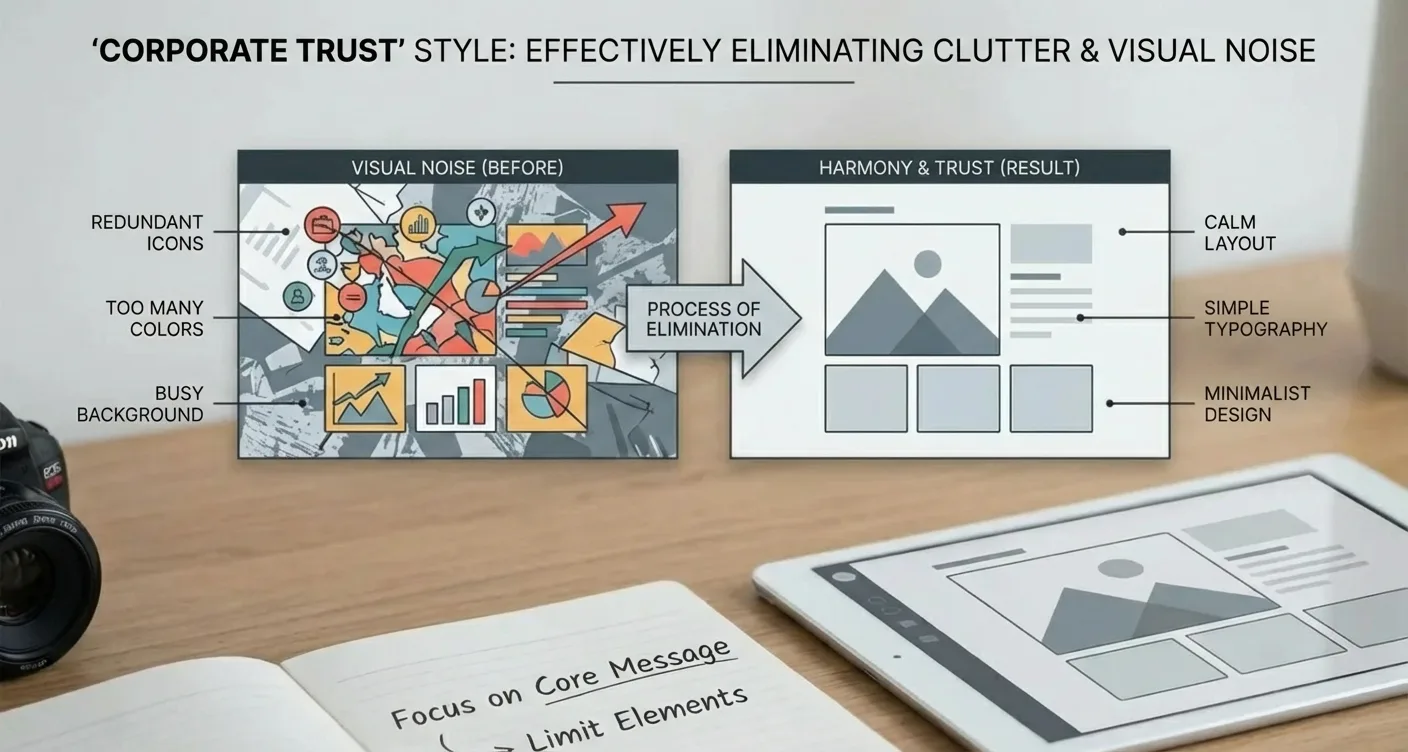
The psychological impact of a clean design cannot be underestimated, as users unconsciously link quality to an organized presentation. Within the Case Study: Implementing the 'Corporate Trust' Style Without Clutter approach, white space is used as an active design element rather than an empty void. This forces focus onto call-to-action buttons and important text blocks, naturally supporting conversion. Too many distractions, such as pop-ups or animated banners, can instantly undo carefully built credibility. Companies striving for a high-end look therefore often opt for a 'less is more' approach that underscores the brand's expertise.
Consistency in color usage and line thickness is key to success for any modern business website.
"An interface free of noise is the shortest path to a business decision-maker's wallet, as it communicates efficiency and respect for their time."
To successfully implement the Case Study: Implementing the 'Corporate Trust' Style Without Clutter, you can follow these steps for your own interface:
- Limit the color palette to a maximum of three main colors that radiate authority, such as deep blue or anthracite.
- Exclusively use high-quality photography that highlights the human side of the business Case Study: Implementing the 'Corporate Trust' Style Without Clutter.
- Remove all animations that do not add direct functional value to user navigation.
- Ensure consistent spacing between sections to create a rhythm in the reading experience.
The decluttering process requires a critical look at every part of the page. For each element, ask yourself if it contributes to the Case Study: Implementing the 'Corporate Trust' Style Without Clutter for professional service providers or if it merely distracts from the essence. According to the design principles of Nielsen Norman Group, a minimalist approach helps users achieve their goals faster. By maintaining this focus, you build a platform that is not only beautiful but also genuinely delivers results for your business.
Ultimately, the Case Study: Implementing the 'Corporate Trust' Style Without Clutter method is about creating a digital environment where the visitor immediately feels understood and secure.
Practical Steps for Successful Implementation
Achieving a professional appearance starts with a thoughtful strategy centered on consistency. When we examine the Case Study: Implementing the 'Corporate Trust' Style Without Clutter, we see that the focus must be on eliminating visual noise. A clean design with ample white space and a limited color palette forms the basis. This ensures that visitors immediately grasp the essence of your message without being distracted by superfluous elements. It's about creating a digital environment that radiates authority and trustworthiness through minimalism and precision in every detail.
In practice, this means every graphic element must serve a specific purpose within the Case Study: Implementing the 'Corporate Trust' Style Without Clutter.
Technical Foundations and Structure
To technically support the Case Study: Implementing the 'Corporate Trust' Style Without Clutter effectively, a solid backend is essential. You want to prevent heavy scripts from affecting loading times, as speed is a crucial component of trust. Utilize scalable solutions like a custom e-commerce solution to maintain full control over the visual hierarchy. By opting for custom work, you avoid the 'clutter' often associated with standard templates that are packed with unnecessary features. The best Case Study: Implementing the 'Corporate Trust' Style Without Clutter method for businesses is therefore to adopt a 'less is more' mentality with the source code.
"Trust is not only earned by what you show, but primarily by what you omit to place the focus on quality."
A successful implementation of the Case Study: Implementing the 'Corporate Trust' Style Without Clutter approach requires a roadmap:
- Inventory all current visual expressions and remove anything that does not contribute to the core value.
- Establish a strict style guide for typography and color usage.
- Optimize images for fast loading times according to W3C standards.
- Test the user experience on various devices to keep the Case Study: Implementing the 'Corporate Trust' Style Without Clutter consistent everywhere.
Remember that the Case Study: Implementing the 'Corporate Trust' Style Without Clutter strategy requires continuous maintenance to prevent interface clutter in the long term.
Measuring Results: The Impact on Your Brand Value
Quantifying digital success begins with a fundamental understanding of how visual consistency influences the visitor's psychological perception. When we specifically examine the Case Study: Implementing the 'Corporate Trust' Style Without Clutter, we immediately see that a clean and minimalist design substantially contributes to the overall credibility of a modern enterprise. By rigorously eliminating superfluous visual elements and focusing on a clear information hierarchy, you create a digital environment where the core message takes center stage. Measuring this impact occurs not only through hard figures but also through qualitative feedback from end-users who praise the platform's professionalism.
Data Analysis and User Trust
The effectiveness of the methodology behind the Case Study: Implementing the 'Corporate Trust' Style Without Clutter is often evident in practice through a significantly lower bounce rate and longer session durations on crucial landing pages. To optimize these results, it's essential to invest in a technical foundation that radiates calm and authority. An excellent starting point for this is exploring professional WordPress website design options that strengthen brand value. In practice, we see that a structured approach leads to faster decision-making for the customer, as the visual noise that typically distracts is entirely eliminated. Accurately measuring conversion paths provides the necessary strategic insight.
Long-Term Value of a Clean Design
A sustainable brand strategy requires constant monitoring of visual quality to prevent dilution of identity. Consistently applying the principles from the Case Study: Implementing the 'Corporate Trust' Style Without Clutter helps maintain an authoritative market position. According to experts in digital psychology, the first impression is often decisive for the rest of the customer journey, where a lack of clutter is directly associated with reliability and expertise. Source: Nielsen Norman Group. This approach is not a one-time action but a continuous process of refinement, analyzing interactions with navigation elements, monitoring loading times after visual optimizations, and evaluating consistency across all sub-pages. Ultimately, measuring impact is about the perfect balance between aesthetics and functional usability.
Implementing a professional appearance requires precision and a sharp focus on visual hierarchy within your design.
In this Corporate Trust style Case Study: Implementing it Without Clutter, we've seen that consistency forms the basis for authority. By eliminating superfluous elements and choosing a calm color palette, you create an environment where the message is central and the user immediately experiences trust at every touchpoint.
Do you want to start building a powerful brand identity that radiates professionalism without appearing cluttered? Then focus on white space, typography, and a clear structure to boost your conversions. Contact us today for a personal consultation about your branding strategy or view our other portfolio items for more inspiration on high-quality design. Together, we'll transform your current brand identity into a timeless and reliable foundation ready for the future of digital business communication.
Frequently Asked Questions About the Corporate Trust Style
What are the main characteristics of the Corporate Trust style?
The Corporate Trust style is characterized by minimalism, clean lines, a limited yet powerful color palette (often blues and grays), high-quality typography for optimal readability, ample white space, and a consistent visual hierarchy. The primary goal is to radiate authority, trustworthiness, and professionalism without visual clutter.
For which companies is the Corporate Trust style most suitable?
The Corporate Trust style is ideally suited for financial institutions, law firms, consulting agencies, and other business service providers who need to communicate a high level of trust and expertise. It helps these organizations make a serious and competent impression on their clients and stakeholders.
How can I implement the Corporate Trust style on my existing website?
Start with an audit of your current visual identity to identify superfluous elements. Then, focus on a uniform color palette, typography, and imagery that fit the Corporate Trust style. Ensure consistent layouts and sufficient white space. It is advisable to work with a professional designer or a specialized agency to ensure seamless integration and technical implementation, including search engine optimization.
What exactly does the 'Corporate Trust' style entail?
The 'Corporate Trust' style revolves around radiating authority, trustworthiness, and professionalism through a clean and consistent design. In the Case Study: Implementing the 'Corporate Trust' Style Without Clutter, we explain that this is achieved by eliminating unnecessary visual noise and focusing on the brand's core values.
How do you prevent visual clutter when implementing this business style?
You prevent clutter by adhering to strict guidelines for white space, typography, and color usage. It is essential to only add elements that functionally contribute to the message, ensuring the Case Study: Implementing the 'Corporate Trust' Style Without Clutter provides a calm and convincing user experience.
Why is consistency so important for building trust?
Consistency ensures recognition and a sense of stability for the target audience. When a brand demonstrates the same high-quality finish across every platform, customers automatically associate this with quality and reliability in service delivery. The core of this Corporate Trust style lies in earning the deepest trust of the visitor through visual consistency. The foundation of this approach lies in using a clean grid, a limited but powerful color palette, and typography that prioritizes readability above all else. We often see deep blue hues, anthracite, and cool gray combined with ample functional white space. The goal of implementing this style is to create an environment where the user feels secure sharing sensitive information or making major strategic decisions. It's not just about how it looks, but primarily about how the interface feels: solid, predictable, and highly efficient in conveying complex information to a critical audience that doesn't want to waste time on unnecessary embellishments.
When is the best time to switch to a 'Corporate Trust' aesthetic?
The transition is ideal when a company is going through a growth phase and wants to attract more serious clients or investors. By adopting a mature identity, the organization immediately positions itself as an established player in the market.
How SEO Supercharged helps you here
SEO Supercharged is fully online (service area: in the cloud), so you can use it from anywhere.
The platform is built for Freelance copywriters and content creators, SME business owners with their own webshop, Digital marketing agencies in Flanders, SEO specialists and consultants, Marketing managers at Belgian scale-ups, Bloggers and affiliate marketers, Startup founders in the tech sector, E-commerce managers of large retail chains, Communication officers at local governments.
You can use it for, among other things, AI SEO tooling audit, Implementation of AI content workflows, Strategic selection of the best AI SEO generator, Prompt engineering for Belgian SEO copy, Automation of SEO metadata via AI, Quality control for AI-generated texts, AI SEO workshop for marketing teams.
Want to tackle this directly? Build your brand with the Branding generator, or start a free SEO analysis.
Applying a clear Corporate Trust style ensures that visitors intuitively find the most important information, leading to higher engagement and a more positive user experience.
Related articles
- Branding for Conversion: How Your Brand Boosts SEO and Revenue
Unlock how branding supercharges your SEO and AI visibility, driving higher CTR, trust, recognition, and topical authority. Get practical tips, templates.
- Guide, Don't Shout: Crafting Effective, Subtle CTAs
Discover how subtle CTAs boost conversions without being pushy. Read our expert guide to optimize your website, enhance user experience, and achieve better.
- Brand Kit Essentials: Logo, Colors, Icons, and Application
Unlock the power of brand kit essentials: logo, colors, icons, and their application. Build a strong, consistent brand identity with our comprehensive guide!
- Visual Consistency on Your Website: The Key to Building Trust and Credibility
Boost brand recognition and conversions with consistent web design. Learn how a cohesive visual identity builds user trust and professionalism. Read our guide!
- Service Page Hero Sections: 5 Proven Layouts
Discover the best service page hero sections: 5 proven layouts to boost conversions. Optimize your website and attract more clients now!